Artistic crashout or subtle masterstroke? That’s for your confused fanbase to decide. We all know about Blonde on Blonde, Metal Machine Music and Kid A, but what about the heavier corners of alternative music?
It’s no secret that the hardcore & metal community is fiercely protective of the abrasive grit which defines the scene, which makes it all the more polarising when their favourite band drops an unexpected artistic U-turn. Here’s five heavier bands who abandoned their signature sound in favour of something a bit different.
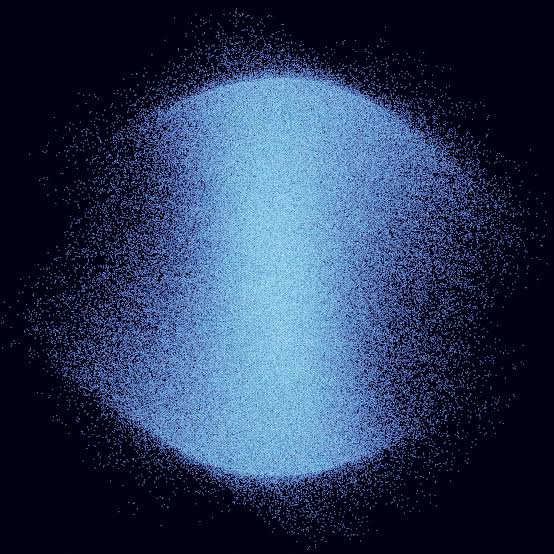
Deafheaven – Infinite Granite (2021)
Over the 2010’s Deafheaven cemented themselves as one of the most critically acclaimed bands in the heavy scene by virtually inventing their own subgenre; blackgaze. As the label implies, it merged the cathartic gloom of black metal with the lush textures of shoegaze, birthing a new sound which was adored by fans and critics alike.
When the Californian quintet released Infinite Granite, their fifth LP, the immediate reaction from their devoted fanbase was one of baffled confusion. The black metal influence had been almost entirely abandoned in favour of releasing a purist modern shoegaze album. Vocalist George Clarke’s signature purging howl was virtually absent (bar a few powerful cameos), with the essence of this new direction fixated on embracing the shimmering hopefulness which was otherwise crushed beneath the sonic anguish on their older work.
Fans (and some critics), felt that the raw intensity which made Deafheaven so irresistible had been left behind with Infinite Granite. They would return to more familiar territory with 2025’s Lonely People With Power, reassuring fans that the symbiotic noise of blackgaze wasn’t gone for good. But in jumping ship, they proved to the world that they were just as adept crafting an album of haunting beauty as they were one of crushing intensity.
Hundredth – RARE (2017)
Another hardcore band lured across to the dreamy pastures of shoegaze? South Carolina’s Hundredth couldn’t resist the allure of indie-rock’s expansive variability. As singer Chadwick Johnson told press they ‘didn’t want to keep doing the same thing over and over’.
Five years of releasing powerful melodic hardcore had built Hundredth a strong reputation within a sub-genre which is particularly unforgiving when it comes to artistic deviations. Just look at what they think of Turnstile’s breakthrough to the mainstream. RARE was released at a point when Hundredth’s stock was sky high, yet it couldn’t have been further from what fans might have expected.
Across 46 minutes of shoegaze inspired Indie Rock, the trio showcased a new sound which borrowed influence from fellow US contemporaries like Nothing and Turnover. The result was well received by critics who hailed the change in direction, and won them over a new audience. Their early fans never really came around, but that’s hardcore for you.
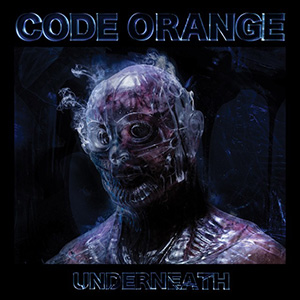
Code Orange – Underneath (2020)
Pennsylvanian metalcore outfit Code Orange had obviously been listening to The Downward Spiral whilst they recorded 2020’s Underneath. As if the influence isn’t glaringly obvious enough, they recruited the services of former Nine Inch Nails drummer Chris Vrenna to produce the album, which shifted away from purist metalcore towards a more experimental sound which drew upon influences from industrial music and electronic glitch.
The album was acclaimed by critics, who praised the six-piece group for producing an album which expanded their already distinctive sound into something which felt simultaneously bruising, bleak, and unsettling, but ultimately powerful and cathartic. Underneath is less drastic a departure than other albums on this list, but again, this is a sub-genre which famously isn’t receptive to change.
As such, not all reactions were positive. After all, it takes a lot for Pitchfork to give a metal album a half-decent score. Pockets of the fanbase felt disillusioned by the new influences, lamenting the inclusion of electronic glitches as inorganic and contrived for the sake of being different. Still, like it or not, Code Orange showed on Underneath that breaking out of the restrictive, formulaic confines of the metalcore blueprint can result in something which screams with unignorable immediacy.
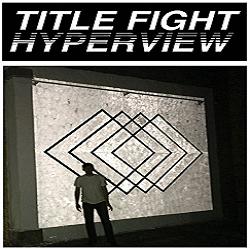
Title Fight – Hyperview (2015)
American quartet Title Fight’s lifespan was a relatively short one, but across just three albums they left a significant mark on the alternative-rock scene. Over their twelve year run they seemed to be undergoing a perpetual sonic flux, with their original sounds rooted in pop-punk influence. They found an audience in the hardcore scene following the release of their debut album Shed in 2011.
When they released their third, and as it turned out, final album Hyperview in 2015, they deviated further again from the melodic hardcore scene which took them in in the late 00s. Their previous album Floral Green (2012) had led to them being heralded as leading the fray in the emergence of a new sub-genre labelled ‘soft grunge’, which combined the swirling chug of guitars with a softer, less abrasive atmosphere.
Whilst Hyperview was less of a drastic departure and more of a natural evolution towards a sound which had been increasingly embraced during the band’s final years, it wasn’t without its detractors. The vocal restraint and musical introspection alienated some of their early hardcore-oriented followers; sacrificing cathartic breakdowns for atmospheric grain is simply not on. Although this proved to be their adieu, it stands now as a defining release of the 2010s, influencing a swathe of shoegaze-leaning rock bands who would emerge in the years to follow.
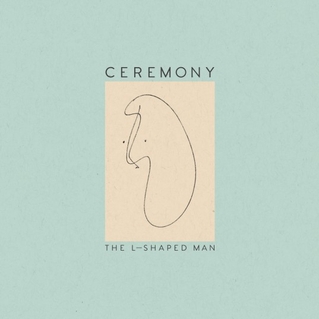
Ceremony – The L-Shaped Man (2015)
Once described a band ‘hell-bent on not making the same album twice’ by Pitchfork, perhaps it should be no surprise to see Californian punk band Ceremony on this list. Starting out with pure hardcore punk on their frankly bonkers debut album Violence, Violence (which packs 13 songs into a 13 minute run time), they gradually shifted their sound into softer territories which borrowed heavily from the golden era of post-punk back in the late 70s.
The result was their fifth LP, The L-Shaped Man. Now, let’s make no mistake; this is an all out tribute (or imitation) to Joy Division. Vocalist Ross Farrar does his absolute best at an Ian Curtis impression across 36 minutes of bleak post-punk which couldn’t sound further away from their early work. Just imagine what their mohawk wearing early fans thought when they first listened.
Some critics praised Ceremony for yet another stylistic shift, whilst others lambasted them for deploying an overly derivative methodology which made them sound like less compelling Interpol. Nonetheless, it was another (mostly) successful endeavour for a band who refuse to remain creatively static.

