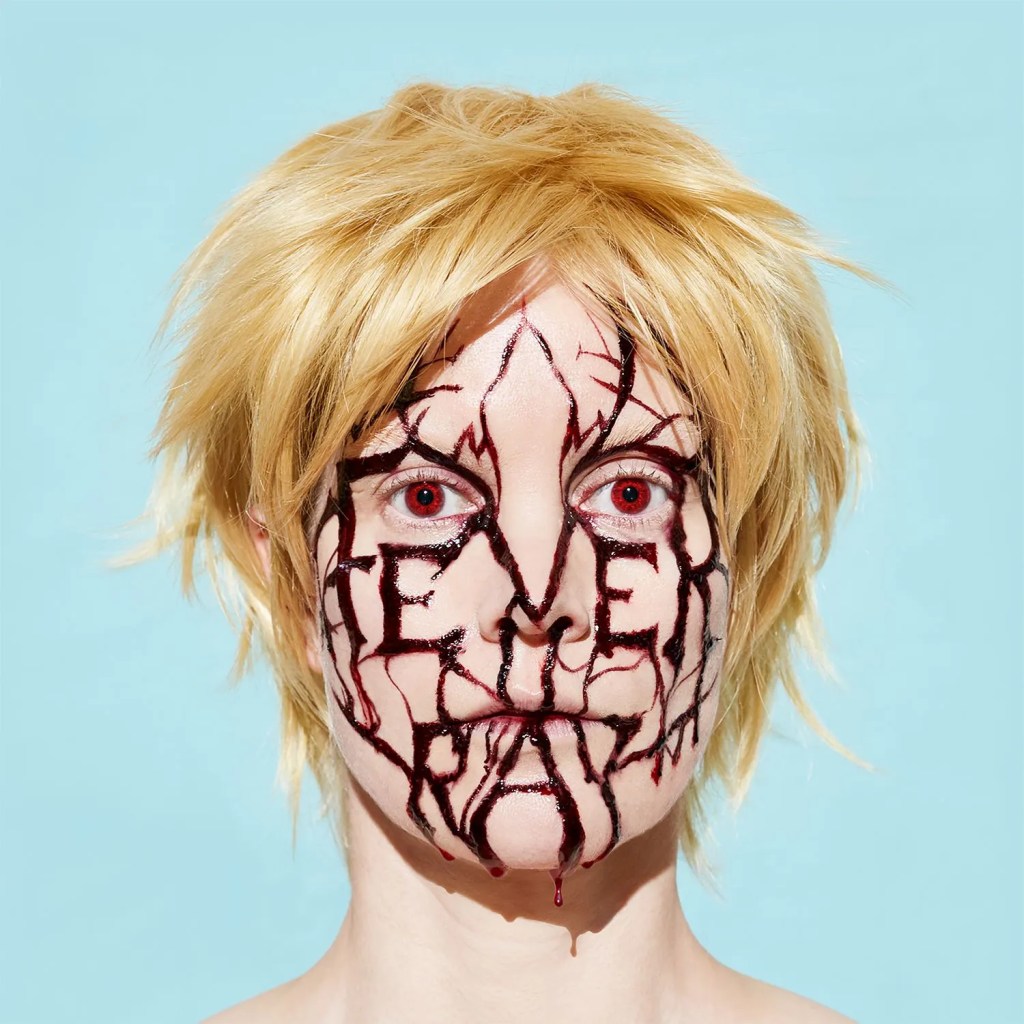
What happens when an artist feels trapped by their own success formula? Ah yes, the side project is born. But forget about the obscure, self-indulgent ones which alienate fans – here are six artists’ high-profile side projects to check out if you’re a fan of their original work.
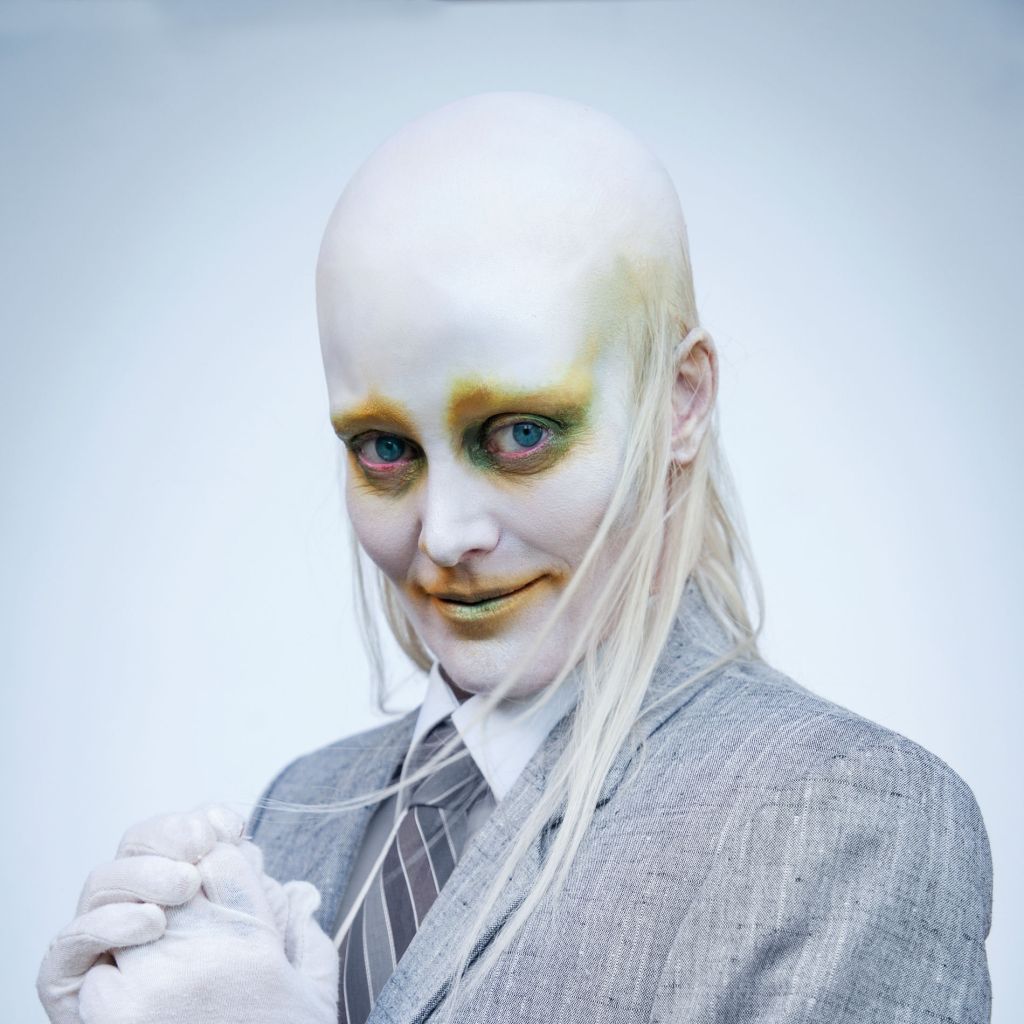
Karin Dreijer – Fever Ray
Before going solo in 2009, Karin Dreijer was one half of acclaimed electronic group The Knife. Formed in Gothenburg in 1999, the brother-sister duo’s brand of experimental synth-pop found international success after their third album, 2006’s Silent Shout, ended up on several publications best of lists for the year.
When Dreijer made the pivot towards a solo career, they dialled up the theatrics in a big way; masks, face & body paint, costumes, and a live show in which their silhouette was obscured from the audience by a large gauze screen. Very avant-garde indeed. Musically it’s equally experimental; their style utilised slow, trip-hop-esque beats layered with insidious multi-tracked vocals and pitch-shifting technology, just to amp up the weirdness that bit more.
The Fever Ray project remains a complex vehicle of experimentation for an artist already well versed in sonic exploration. It’s not always easy to remain relevant when constantly trying to reshape your own sound, but the ongoing critical acclaim for this Swedish artist points to a largely successful endeavour.
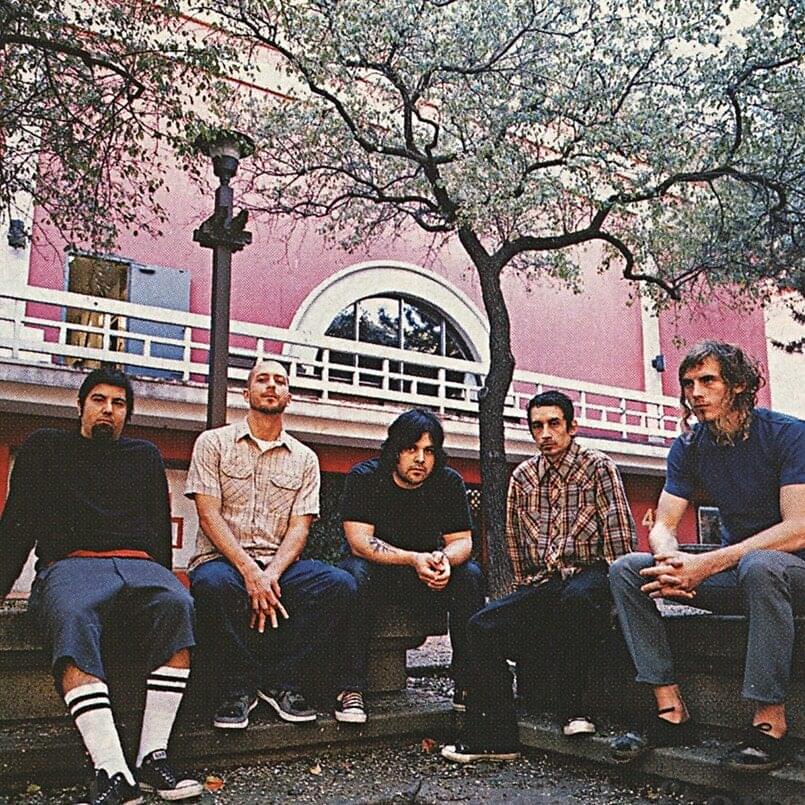
Chino Moreno – Team Sleep
If you’re familiar with the power dynamic which dominates the production process for alt-metal legends Deftones, then you’ll know that their signature duality of blissful ambience against crushing guitars is based on an internal tension between frontman Chino Moreno and guitarist Stef Carpenter.
If Carpenter had his way, we might have access to a back catalogue which sounds entirely like 1997’s Around The Fur. But it was Chino’s unwavering interest in the more delicate sounds which undoubtedly created a sonic mismatch which bands are still trying hard to replicate to this day. When he formed Team Sleep in 2000 after the release of White Pony, it became a musical outlet for his dreamier, more atmospheric compositions.
What makes Team Sleep such an interesting divergence is that it could be a collection of B-sides from Saturday Night Wrist, but simultaneously feels like something entirely new – as if Deftones existed in a parallel universe. If you prefer Cherry Waves to My Own Summer, this one’s for you.
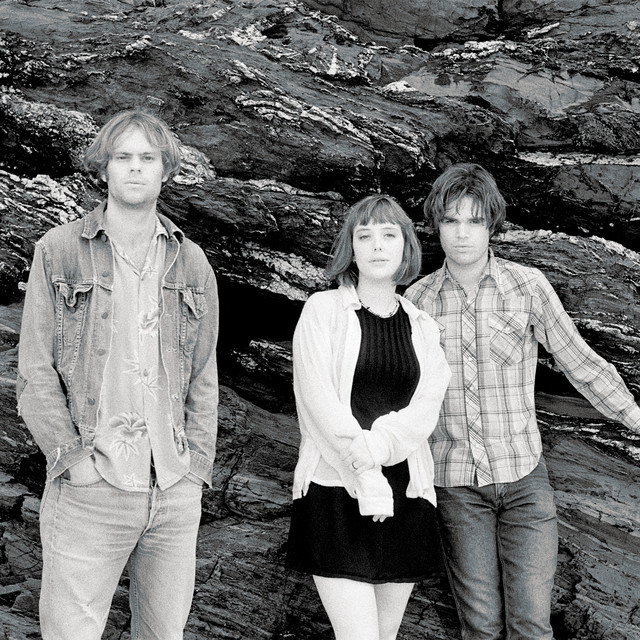
Neil Halstead – Mojave 3
The leading creative force behind shoegaze legends Slowdive had already begun work on deconstructing their genre-defining brand of atmospheric dream-pop by the time he formed Mojave-3 with former Slowdive members Rachel Goswell and Ian McCutcheon.
Released in 1995, Pymaglion was a stripped back album of post-rock which effectively spelled the end of Slowdive’s initial run. Whilst it was widely misunderstood by critics upon release, it would go through a warmer reevaluation in years to come, as well as being acknowledged as the foundational basis for the Mojave-3 project.
The result is a dreamy, folk-rock tinged brand of country music which gave Halstead and Goswell full range to explore the widest echelons of their vocal range. Paired with the lush guitar delays and sparse drumming, their three album run is littered with tracks that move with a drowsy beauty. Easy listening at its absolute easiest.
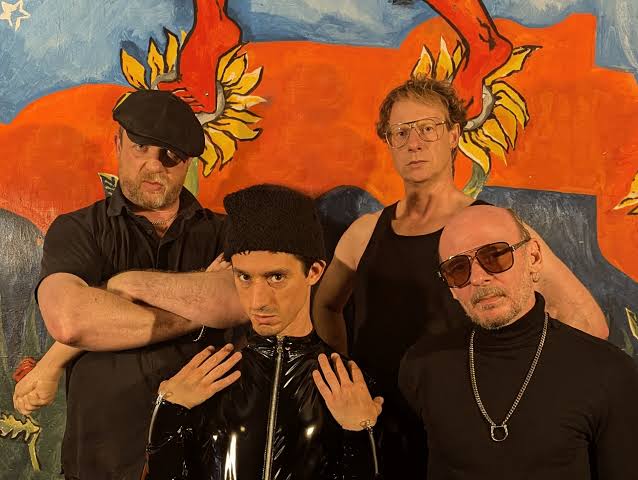
Lias Saoudi – Decius
The frontman of the UK’s most deliberately offputting, transgressive band for decades is certainly no stranger to sleaze. If you want to know just how far Saoudi and co went down the rabbit hole of drug induced depravity, then it’s definitely worth having a read of his outstanding novel; Ten Thousand Apologies: Fat White Family and the Miracle of Failure.
Despite not producing music which could be easily mistaken for acid-house in a literal sense, Trashmouth Records co-founder Liam May noted that something about Saoudi and his merry band of degenerates oozed the sordid punk-y energy of the DIY sub-genre. Together with co-founder and brother Luke, they whipped together a supergroup with Saoudi, adding Quinn Whaley of bonafide acid-house legends Paranoid London to complete the lineup.
The result of this wrongful experiment gave birth to a squelchy sound that when paired with Saoudi’s typically hysterical vocals, is utterly irresistible. Don’t be fooled though; the seedy aura of this supergroup is entirely by design, recalling the golden days of the genre while adding in a barely discernable slice of insanity that translates perfectly into a chaotic live show. They’ve having a moment right now, and we wouldn’t want you to miss out.
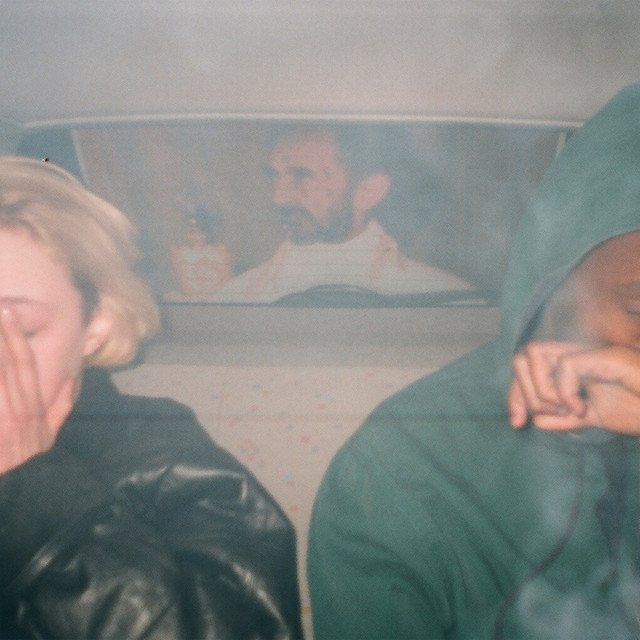
Dean Blunt – Hype Williams
Unlike the other artists on this list, Dean Blunt’s successfully chameleonic solo career emerged from the foundations laid down in his work alongside Russian-Estonian artist Inga Copeland as Hype Williams. Formed in 2007, their avant-garde identity was quickly established through irreverent references to pop-culture, cryptic video content on their YouTube channel pollyjacobsen and an idiosyncratic online presence.
It’s easy to see how Blunt’s solo career evolved the way it did when you listen back to Hype Williams’ delightfully unconventional back catalogue. As eclectic sampling and wide-ranging collaboration became the driving force behind his solo identity, the project between himself and Copeland was predominantly an art-rock pursuit.
This playful subversiveness would also form the basis of his penchant for fucking with fans via digital red herrings, blurring the lines between reality and performance art. Very little is known about the real Dean Blunt, but his mysterious aura seems to do nothing but increase the lore around him. That all started with Hype Williams.

Josh Homme – The Desert Sessions
Less a side project and more of a musical collective, The Desert Sessions is Josh Homme’s way of introducing the Palm Desert tradition of spontaneous jamming and interchangeable collaboration to the wider music scene. The idea was pretty simple; a bunch of musicians head up to Homme’s Rancho de la Luna in Joshua Tree and just let the magic happen.
Beginning back in 1997 when Queens Of The Stone Age was little more than an unrealised offshoot of the evolving desert-rock scene, the first jam session supposedly involved Homme and his band at the time playing for three days straight whilst tripping on psychedelics. Sounds like a familiar setup.
Recalling the indomitable spirit of Haight Ashbury in the late ‘60s or Seattle in the early ‘90s, Homme wanted to build something which was grounded in authentic musical impulses. With a long list of collaborators of everyone from PJ Harvey and Les Claypool to Jake Shears (Scissor Sisters) and Matt Berry (The IT Crowd), it’s fair to say that the result is an eclectic blend of desert rock with some unsuspecting twists.

